Журнали
-

Акценти та парадокси сучасної філології
Міжнародний науковий журнал з філології
ISSN 2521-6481
Періодичність: 1-2 випуски на рік
Видавець: кафедра романської філології та перекладу факультету іноземних мов Харківського національного університету імені В. Н. Каразіна.
Місія журналу: об’єднати зусилля науковців, зацікавлених в увиразненні культурологічного ракурсу філологічних досліджень.
Мова публікації: англійська, іспанська, італійська, французька.
Статті проходять внутрішнє і зовнішнє рецензування.
-
Актуальні проблеми вітчизняної та всесвітньої історії
Видання з історичних наук.
Збірник є спеціалізованим виданням молодих вчених з історичних наук. У збірнику публікуються статті викладачів, аспірантів та студентів з проблем вітчизняної та всесвітньої історії, що репрезентують тематику історичних досліджень від найдавніших часів до сучасності.
-
Актуальні проблеми державного управління
Збірник наукових праць складається із 7 розділів та висвітлює проблеми теорії та історії державного управління, філософії державного управління, функціонування механізмів державного управління, місцевого самоврядування та державної служби.
Це видання розраховано на науковців, державних службовців, студентів та аспірантів, професорів, які цікавляться вирішенням проблем державного управління.З 2005 року його включено до переліку наукових фахових видань України, в яких можуть публікуватися результати дисертацій на здобуття наукового ступеня доктора та кандидата наук.
Збірнику присвоєно категорію «Б» (перереєстрація: наказ МОН України від 11 червня 2026 року № 928).
Кластер наукового фахового видання: Економічні перетворення, бізнес та адміністрування
Галузь знань: Д4 «Публічне управління та адміністрування» відповідно до чинного переліку галузей знань.
Спеціальність: 281 «Публічне управління та адміністрування»
Посилання на сайт: https://periodicals.karazin.ua/apdu
-
Актуальні проблеми сучасної медицини
Редакція наукового журналу пропонує всім бажаючим студентам, аспірантам, докторантам, здобувачам, молодим фахівцям, викладачам, науковцям та іншим зацікавленим особам опублікувати свої статті.
Журнал містить статті, присвячені актуальним питанням сучасної експериментальної та клінічної медицини. Данні матеріали підтримують принципи вільного поширення наукової інформації та глобального обміну знаннями задля загального суспільного прогресу.
-
Біофізичний вісник
«Біофізичний вісник» - наукове фахове видання України Категорії «A» в області біології, фізики та математики. Журнал затверджений Міністерством освіти і науки України для опублікування результатів дисертаційних робіт на здобуття наукових ступенів Ph.D., кандидата і доктора наук у галузях природничих наук: 10 Природничі науки за спеціальностями 104 Фізика та астрономія, 105 Прикладна фізика та наноматеріали; 09 Біологія за спеціальністю 091 Біологія; 16 Хімічна та біоінженерія за спеціальністю 163 Біомедична інженерія (Наказ Міністерства освіти і науки України № 220 від 21.02.2024).
Ідентифікатор медіа у Реєстрі суб’єктів у сфері медіа: R30-04481 (Рішення № 1538 від 09.05.2024 р. Національної ради України з питань телебачення і радіомовлення. Протокол № 15).
«Біофізичний вісник» індексується у SCOPUS.
ISSN 2075-3810 (print) ISSN 2075-3829 (online)
Журнал публікує статті, короткі повідомлення та огляди, які містять оригінальні результати вирішення фізико-математичних та інженерно-технічних проблем, що відносяться до біологічних систем різного рівня організації, методами експериментальної і теоретичної фізики, математичного та комп'ютерного моделювання.
-
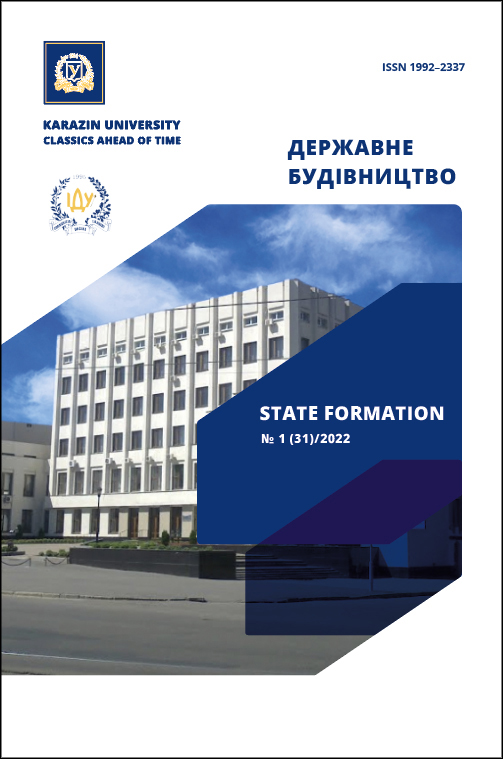
Державне будівництво
«Державне будівництво» : Збірник наукових праць; електронне видання. – Харків: Харківський національний університет імені В. Н. Каразіна.
Збірник містить наукові праці з теорії та практики державного управління, державного управління у сфері національної безпеки та оборони, регіонального та галузевого управління, кадрової політики в державному управлінні, політико-правових основ державного управління, а також передового міжнародного досвіду в державному управлінні та державній політиці.
Для дослідників, державних службовців, стажерів, студентів та викладачів, які цікавляться питаннями державного управління.
УДК 35
Засновано в 2006 роціЗасновник: Харківський національний університет імені В. Н. Каразіна.
Видається двічі на рік — у червні та грудні. -
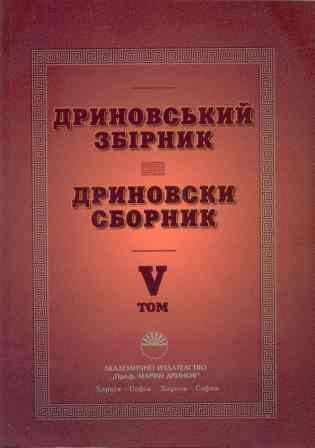
Дриновський збірник
«Дриновський збірник» – науковий щорічник Харківського національного університету імені В. Н. Каразіна та Болгарської академії наук, присвячений історії Центральної і Південно-Східної Європи від стародавніх часів і до сьогодення. До збірника приймаються статті, які відповідають профілю видання, ще не були опубліковані, а також археографічні матеріали, рецензії та оглядова інформація про наукові конференції (симпозіуми, семінари) або інші значущі події наукового життя, пов’язані із тематикою видання.
-
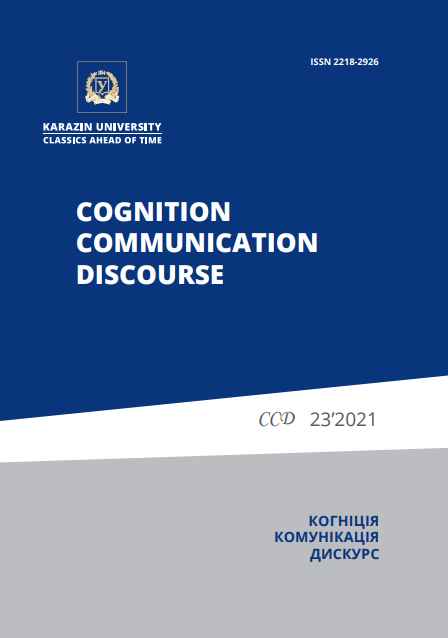
Когніція, комунікація, дискурс
Міжнародний електронний рецензований збірник наукових праць з відкритим доступом, присвячений дослідженням у галузі когнітивної лінгвістики та дискурсивних студій у синхронічній, діахронічній та міжкультурній перспективах. Також заохочуються статті із суміжних наукових галузей, пов’язаних, але не обмежених, лінгвістичною прагматикою, семантикою, соціолінгвістикою, міждисциплінарними дослідженнями комунікації, психологією, медіа-студіями, перекладознавством і навчанням мови в міждисциплінарному контексті.
Журнал зареєстровано наказом Міністерства освіти і науки України № 928 від 11.06.2026 та внесено до переліку наукових фахових видань України (категорія «Б»), за якими можуть бути опубліковані результати дисертацій на здобуття ступеня доктора філософії у галузі Філологія і наукового ступеня доктора філологічних наук.
Призначено для лінгвістів, викладачів, аспірантів і магістрантів.
-
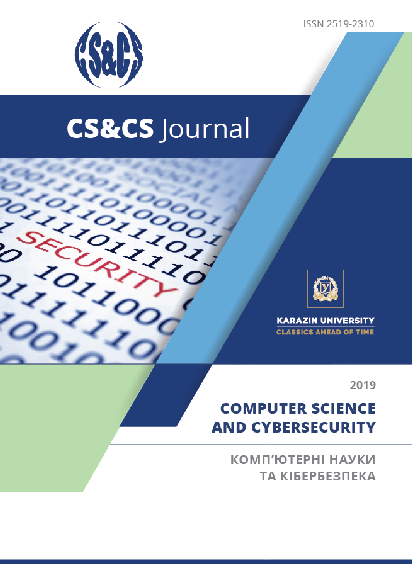
Комп’ютерні науки та кібербезпека
Міжнародний електронний науково-теоретичний журнал.
Науковий профіль журнала висвітлює результати досліджень теоретичних і науково-технічних проблем забезпечення захисту інформації та створення ефективного інструментального забезпечення перспективних інформаційно-комунікаційних систем з використанням сучасних математичних методів, інформаційних технологій і технічних засобів.
Цільова аудиторія: науковці, викладачі, аспіранти, студенти, фахівці IT-сфери і всі, хто цікавиться питаннями інформаційної безпеки та проблематикою створення, і експлуатації інформаційно-комунікаційних систем.
-
Людина та довкілля. Проблеми неоекології
Надаються результати сучасних фундаментальних і прикладних досліджень у галузях екології та наук про Землю, спрямованих на вивчення взаємодії суспільства і природного середовища, оцінку антропогенного впливу на природні системи та розроблення науково обґрунтованих підходів до охорони довкілля і сталого природокористування у межах неоекологічної парадигми.
Кластер наукового фахового видання Науки про Землю та навколишнє середовище
Е Природничі науки за спеціальностями Е2 Екологія, Е4 Науки про Землю;
Журнал внесено до Переліку наукових фахових видань України категорії Б : Наказ МОН України № 928 від 11.06.2026
Для науковців, фахівців, викладачів і студентів закладів вищої освіти.
-
Машинобудування
Збірник входить до Категорії Б наукових фахових видань, включених до Переліку наукових фахових видань України (технічні науки), в яких можуть публікуватися результати дисертаційних робіт на здобуття наукових ступенів доктора наук і доктора філософії (кандидата наук) наказ МОН України №409 від 17.03.2020, №320 від 07.04.2022, зі змінами Наказ МОН України № 349 від 24.02.2025.
Збірник наукових праць «Машинобудування» зареєстровано у Державному комітеті інформаційної політики України у 2006 році (Свідоцтво про Державну реєстрацію засобу масової інформації серія КВ № 12132-1016Р). Друкований варіант видання зареєстровано у ISSN Register під номером ISSN 2079-1747. Видано рішення №121 від 09.01.2025, протокол №1 Національної ради України з питань телебачення і радіомовлення щодо реєстру суб'єктів в сфері медіа.
Збірник наукових праць «Машинобудування» Навчально-наукового інституту "Українська інженерно-педагогічна академія" ХНУ ім. В.Н. Каразіна видається з 2007 року 2 рази на рік і містить результати наукових досліджень з проблем міцності, стійкості, працездатності, динаміки вантажопідйомних, транспортних машин і металорізальних верстатів, питань технології машинобудування. У збірнику публікуються наукові статті, в яких висвітлюються актуальні питання в області механічної обробки сучасних матеріалів із застосуванням високопродуктивних технологій, нових методів і вимірювальних приладів для контролю якості оброблених поверхонь і високоефективних ріжучих інструментів, метрології та інформаційно-вимірювальної техніки.
Статті публікуються українською або англійською мовами.
До збірника наукових праць «Машинобудування» приймаються наукові статті, які відповідають Галузі G Інженерія, виробництво та будівництво, а саме спеціальностям:
- G6 Інформаційно-вимірювальні технології
- G8 Матеріалознавство
- G9 Прикладна механіка
- G11 Машинобудування (за спеціалізаціями)
.
-
Наукові записки кафедри педагогіки
УДК 37(062.552) Н34
Наукові записки кафедри педагогіки / Scientific Notes of the Pedagogical Department
Наукове фахове видання у галузі педагогічних наук, включене до категорії «Б» наказом Міністерства освіти і науки України від 02.07.2020 № 886.
Про видання
«Наукові записки кафедри педагогіки» — відкрита міжнародна наукова платформа, що публікує міждисциплінарні дослідження з проблем трансформації освітніх систем, педагогічного лідерства, цифрових технологій та управління освітою в національному й міжнародному контекстах.
У збірнику публікуються статті, що містять результати теоретичних і прикладних досліджень у галузі освітніх інновацій, цифрової педагогіки, освітнього лідерства, порівняльних досліджень та підготовки й розвитку педагогів.
Фокус проблематики збірника:
- педагогічні, технологічні, організаційні інновації в освіті;
- цифрова трансформація та штучний інтелект в освіті;
- освітнє лідерство та управління змінами;
- політики й стратегії розвитку освіти;
- підготовка вчителя/педагога та професійний розвиток.
Основні тематичні напрями діяльності збірника
- Інноваційна педагогіка
- нові моделі, технології та методи навчання;
- компетентнісно орієнтоване навчання;
- STEAM, технології дослідницького та проєктного навчання;
- дизайн освітнього досвіду та оцінювання результатів навчання.
- Цифрова педагогіка та ШІ в освіті
- ШІ-педагогіка, освітня аналітика;
- онлайн- та змішане навчання;
- освітні платформи та екосистеми;
- цифрова етика, академічна доброчесність і безпека.
- Освітнє лідерство та управління
- лідерство для змін і сталого розвитку;
- стратегічне управління якістю освіти;
- трансформація освітніх інституцій;
- забезпечення якості та внутрішні системи моніторингу.
- Освітня політика та порівняльні дослідження
- європейські та міжнародні практики;
- освітні реформи;
- публічне управління в освіті;
- освітня політика в умовах соціальних викликів.
- Підготовка і розвиток педагогів
- модернізація екосистеми підготовки майбутнього вчителя;
- розвиток педагогічних компетентностей;
- мікрокваліфікації для вчителів та альтернативні траєкторії професійного зростання;
- професійні спільноти, менторство та навчання впродовж життя.
Ідентифікаційні дані
Параметр Значення ISSN 2074-8167(Print)УДК 37(062.552) Н34 DOI 10.26565/2074-8167 Рік заснування 1996 Кластер наукового фахового видання Розвиток людського капіталу, соціальні науки та журналістика Спеціальності А1 Освітні науки
A3 Початкова освіта
A4 Середня освіта (за предметними спеціальностями)
А5 Професійна освіта (за спеціалізаціями)
Галузь знань A Освіта Періодичність 2номери на рікІдентифікатор медіа R30-05027 (Рішення Національної ради України з питань телебачення і радіомовлення № 1538 від 09.05.2024, Протокол № 15) Засновник та видавець: Харківський національний університет імені В.Н. Каразіна, 61022, Україна, м.
Харків, майдан Свободи, 4.
Код за ЄДРПОУ: 02071205
ROR видавця: https://ror.org/03ftejk10
Унікальний префікс DOI видавця журналу: 10.26565
Наукові періодичні видання Каразінського університету:
https://karazin.ua/en/nauka/fakhovi-vidannia/
Контактна інформація видавця та засновника publishing@karazin.uaВидання «Наукові записки кафедри педагогіки» включено до Переліку наукових фахових видань України у межах кластеру «Розвиток людського капіталу, соціальні науки та журналістика» строком на три роки з 01 червня 2026 року по 31 травня 2029 року з присвоєнням категорії «Б» відповідно до Наказу Міністерства освіти і науки України № 928 від 11 червня 2026 р.
Індексування
Видання представлено у базах даних:
- Google Scholar
- Національна бібліотека України імені В. І. Вернадського
-
Проблеми безперервної географічної освіти і картографії
У виданні “Проблеми безперервної географічної освіти і картографії” публікуються статті, які містять результати досліджень актуальних проблеми сучасної географічної освіти та картографічного її забезпечення; узагальнюється досвід і розкриваються перспективи розробки та впровадження у навчальний процес інноваційних педагогічних технологій, підготовки і видання нових картографічних творів, призначених для використання у школах, вищих навчальних закладах та в інших установах безперервної географічної освіти.
Ідентифікатор медіа у Реєстрі суб’єктів у сфері медіа: R30-04460 (Рішення № 1538 від 09.05.2024 р Національної ради України з питань телебачення і радіомовлення. Протокол № 15).
Кластер наукового фахового видання: Науки про Землю та навколишнє середовище
Спеціальності: Е2 Екологія / Е4 Науки про Землю
ISSN 2409-3173 (Online)
ISSN 2075-1893 (Print)
УДК 91+528.9+37.016:91
Рік заснування: 2000
Періодичність - 2 випуски на рік.
DOI: 10.26565/2075-1893
-
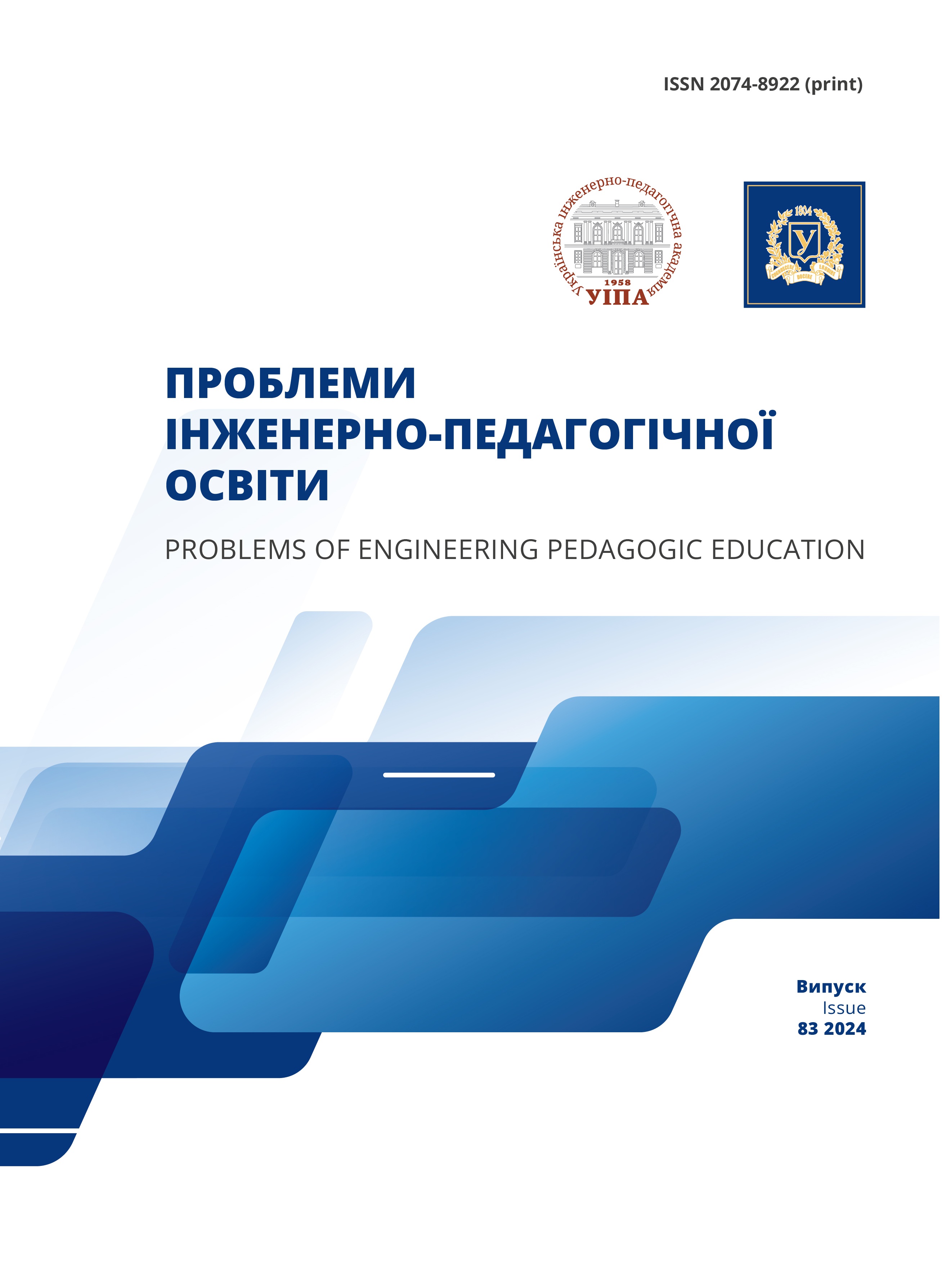
Проблеми інженерно-педагогічної освіти
Журнал висвітлює результати наукових досліджень у галузі освітніх,
педагогічних наук та професійної освіти. Висвітлює питання стратегії і методології
освіти, проблеми розвитку освіти на сучасному етапі, управління освітою, історії
освіти, формування компетентностей у здобувачів освіти різних рівнів освіти,
впровадження сучасних освітніх технологій, становленню особистості, досвіду
освіти за кордоном. Значна увага приділяється також проблемам забезпечення якостіосвіти на сучасному етапі її розвитку.
Для науковців, аспірантів, викладачів, фахівців у галузі освітніх, педагогічних наук та професійної освіти.
Включено до Переліку наукових фахових видань України категорії «Б»з галузі наук А Освіта
за спеціальностями: А1 Освітні науки; А5 Професійна освіта (за спеціалізаціями).
Наказ МОН України № 409 від 17.03.2020, № 320 від 07.04.2022 зі змінами, наказ МОН України № 349 від 24.02.2025.Ідентифікатор медіа у Реєстрі суб‘єктів у сфері медіа: R30-02388 (Рішення Національної радиУкраїни з питань
телебачення і радіомовлення № 1820 від 21.12.2023 р. протокол № 31, No 121 від 09.01.2025 протокол №1)Присвоєння Digital Object Identifier (DOI)Журнал має DOI: 10.26565/2074-8922 та присвоюється кожному випуску журналу, кожній науковій статті.Журнал індексується в базах даних:
DOAJ - https://doaj.org/toc/2074-8930
Національна бібліотека України імені В. І. Вернадського – http://www.irbis-nbuv.gov.ua
Google Scholar - http://scholar.google.com.ua
Довідник періодичних видань Ульріха - http://ulrichsweb.serialssolutions.com/login
Index Copernicus - http://www.indexcopernicus.com
Видавець:
Харківський національний університет імені В. Н. Каразіна
Наукова періодика Каразінського університету
Періодичність публікації
Журнал публікує статті двічі на рік (червень/грудень).
Випуски виходять після затвердження вченою радою Харківського національного
університету імені В. Н. Каразіна.
Журнал засновано в 2001 році -
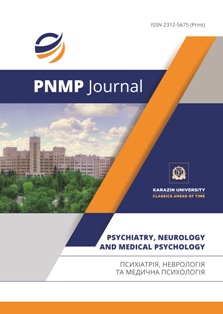
Психіатрія, неврологія та медична психологія
Міжнародний науково-практичний журнал.
Журнал внесено до переліку наукових фахових видань України: у галузі медичних наук категорія Б (Наказ МОН України №409 від 17.03.2020) зі спеціальностей 222 Медицина «Неврологія», «Психіатрія, наркологія», 225 Медична психологія; у галузі психологічних наук (Наказ МОН України №627 від 14.05.2020) зі спеціальності 053 Психологія «Медична психологія».
У журналі публікуються проблемні статті, результати оригінальних та експериментальних досліджень, статті оглядового, дискусійного та історичного характеру, короткі повідомлення, лекції, рецензії, випадки з практики, матеріали інформаційного характеру, роботи з питань викладання нейронаук, організації та управління психоневрологічної службою та інші матеріали, присвячені актуальним проблемам клінічної і судової психіатрії, наркології, неврології, медичної психології, а також психотерапії, фармакотерапії тощо.
-
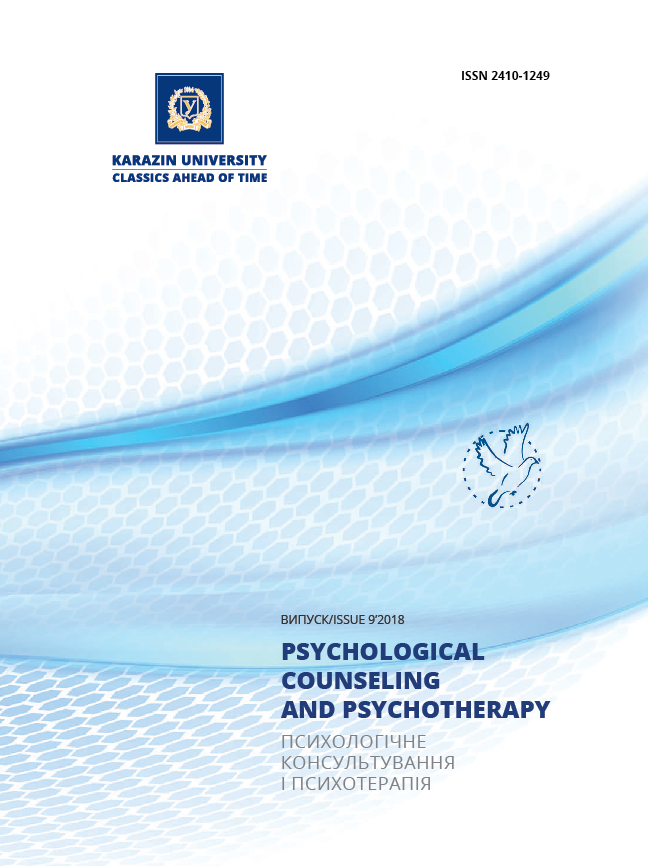
Психологічне консультування і психотерапія
Ідентифікатор медіа у Реєстрі суб’єктів у сфері медіа:
Ідентифікатор медіа у Реєстрі суб’єктів у сфері медіа: R30-04464 (Рішення № 1538 від 09.05.2024 р Національної ради України з питань телебачення і радіомовлення. Протокол № 15)
"Психологічне консультування і психотерапія" зареєстровано наказом Міністерства освіти і науки України № 627 від 14.05.2020 та внесено до переліку наукових фахових видань України, категорія «Б», спеціальність 053, за якою можуть бути опубліковані результати дисертацій на здобуття наукового ступеня кандидата та доктора в області психології.
У журналі представлено різномаїття психотерапевтичних підходів, модальностей та методик, що пов’язані з психологічним та медичним простірами сучасної психотерапевтичної та консультативної допомоги. Розглянуто теоретичні і практичні питання щодо різних аспектів психотерапевтичного втручання при різних розладах, їх гендерні аспекти, методики психодіагностики, взаємодію психотерапії та культури тощо. Для психотерапевтов, консультантов, практичных психологов и всего, что необходимо для лечения психотерапевтических добавок.
УДК 159.9
Засновник та видавець:
Харківський національний університет імені В.Н. Каразіна, 61022, Україна, м. Харків, пл. Свободи, 4. Код за ЄДРПОУ: 02071205 . ROR видавця: https://ror.org/03ftejk10. Рік заснування 2014. Періодичність виходу - 2 номера на рік.
Цифровий ідентифікатор об'єкта (DOI):
10.26565/2410-1249
Наукові періодичні видання Каразінського університету:
https://karazin.ua/en/nauka/fakhovi-vidannia/
-
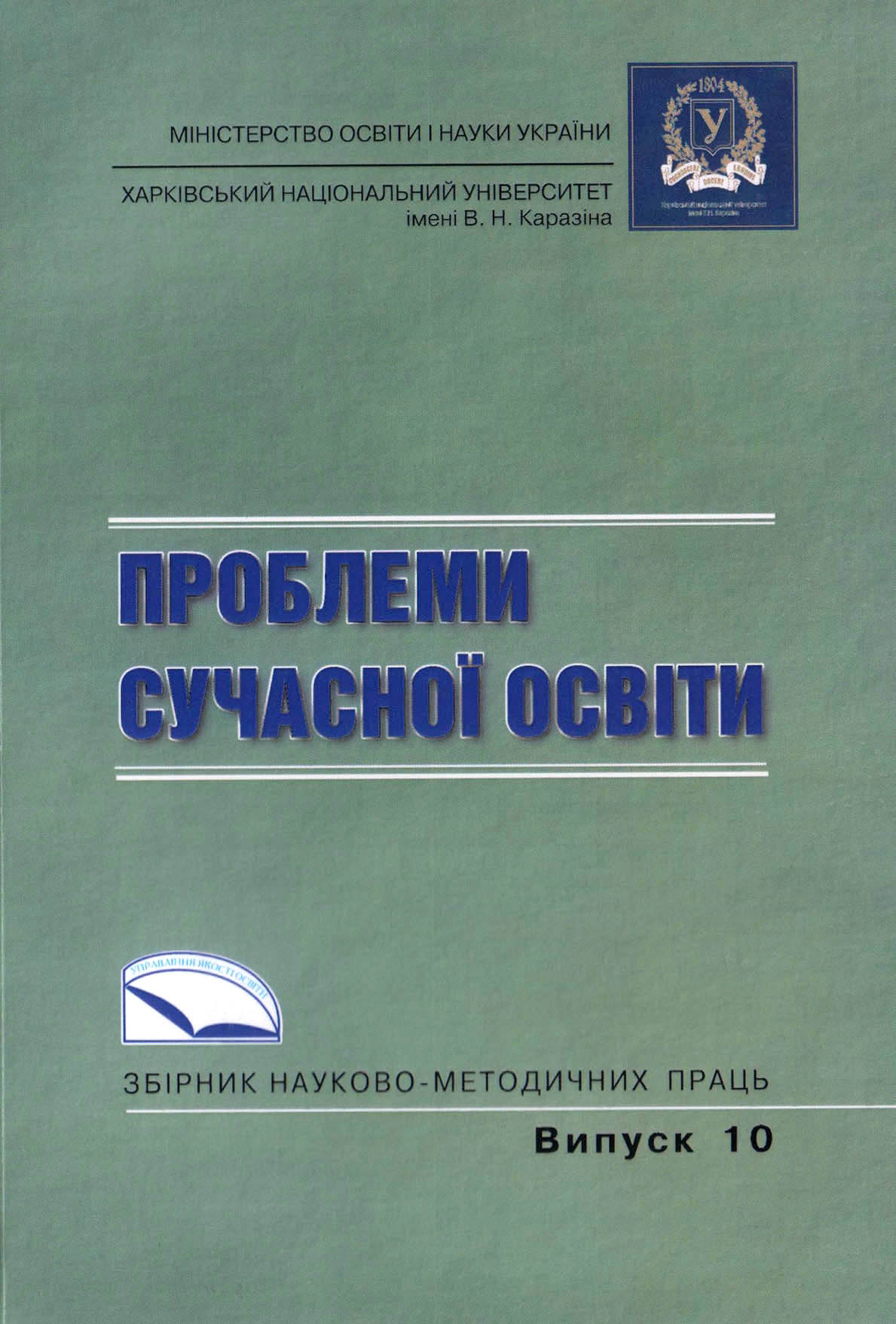
Проблеми сучасної освіти
Збірник присвячено загальним питанням сучасної освіти, інноваційним освітнім технологіям та методиці викладання у вищій школі, а також актуальним проблемам навчання студентів-іноземців в Україні. В окремому розділі представлено кращі випускні роботи слухачів школи педагогічної майстерності.
-

Соціальна економіка
Науковий журнал «Соціальна економіка» включено до Переліку наукових фахових видань України у межах кластеру «Економічні перетворення, бізнес та адміністрування» з присвоєнням категорії «Б» (Наказ МОН України № 928 від 11.06.2026).
Журнал присвячений висвітленню результатів наукових досліджень у галузі економічних наук: питання мотивації праці, управління на різних рівнях економіки, кредитна і грошова системи, облік та аудит, міжнародна економіка та світове господарство, економіко-математичні методи і моделі, статистичний аналіз і маркетингові стратегії.
До публікації приймаються статті зі спеціальностей:
- 01 «Економіка»,
- D2 «Фінанси, банківська справа, страхування та фондовий ринок»,
- D3 «Менеджмент»,
- D5 «Маркетинг».
Для наукових працівників, викладачів, аспірантів економічних спеціальностей.
-
Теорія та практика державного управління
Теорiя та практика державного управлiння : зб. наук. праць. – Харків : ХНУ імені В. Н. Каразіна.
У статтях наукового збірника «Теорія та практика державного управління», згрупованих у п’ять тематичних розділів, висвітлено проблеми розвитку системи державного управління та реформи місцевого самоврядування в Україні, державного регулювання процесів економічного і соціального розвитку, приділено увагу особливостям реалізації вітчизняної державної кадрової політики, а також зовнішній політиці та національній безпеці.
Для науковців, державних службовців, посадових осіб місцевого самоврядування, а також усіх, хто цікавиться сучасними проблемами державного управління.УДК 35
Рік заснування: 2003
Засновник: Харківський національний університет імені В. Н. Каразіна.
Видається двічі на рік – у червні та грудні -

Давнина. Харківський історико-археологічний щорічник
Фахове видання з історичних наук.
«Давнина» – академічний журнал, який містить статті теоретичного і науково-дослідного характеру, присвячені проблемам археології, історії стародавнього світу та середніх віків, а також суміжних дисциплін і краєзнавства. Журнал видається щорічно з 1994 р. історичним факультетом Харківського національного університету імені В. Н. Каразіна спільно з Харківським історико-археологічним товариством.
Метою видання журналу є інформування наукової громадськості про останні результати досліджень в області стародавньої та середньовічної історії, які цікавлять міжнародну аудиторію.
-
Східно-європейський фізичний журнал
Міжнародний рецензований журнал, з відкритим доступом, присвячений експериментальним і теоретичним дослідженням з ядерної фізики, космічних променів і елеметарних частинок, фізики високих енергій, фізики твердого тіла, фізики плазми та керованого ядерного синтезу, фізики пучків заряджених частинок, плазмової електроніки, матеріалознавства, фізики тонких плівок, фізики конденсованих середовищ, функціональних матеріалів і покриттів, наноматеріалів та наночастинок, молекулярної динаміки, технічної теплофізики та промислової теплоенергетики, медичної фізики та фізичних технологій в міждисциплінарному контексті.
Ідентифікатор медіа у Реєстрі суб’єктів у сфері медіа: R30-04470 (Рішення № 1538 від 09.05.2024 р Національної ради України з питань телебачення і радіомовлення. Протокол № 15)Журнал є частиною наукометричної платформи Web of Science Core Collection (ESCI). -
Український соціологічний журнал
Український соціологічний журнал є фаховим виданням з соціологічних наук.
Журнал був заснований у 2008 році.
З 2009 року журнал видавався Соціологічною асоціацією України та соціологічним факультетом Харківського національного університету імені В. Н. Каразіна.
З 25 березня 2024 року Соціологічна асоціація України стає єдиним власником журналу «Український соціологічний журнал».
Журнал є офіційним науковим та інформаційним виданням Соціологічної асоціації України, де представлені результати теоретичних та емпіричних досліджень сучасного суспільства відомих українських і зарубіжних учених, молодих науковців. Також у журналі публікується інформація про наукове життя регіональних відділень Соціологічної асоціації України.
Періодичність видання журналу - двічі на рік.
Український соціологічний журнал включено до переліку наукових фахових видань України (спеціальність - 054 "Соціологія") з присвоєнням категорії «Б» (згідно Наказу МОН № 886 від 02.07.2020).
Ідентифікатор медіа у Реєстрі суб’єктів у сфері медіа: R30-04986 (Рішення № 2323 від 11.07.2024 р Національної ради України з питань телебачення і радіомовлення. Протокол № 20). Суб'єктом в сфері друкованих медіа зареєстровано Соціологічну асоціацію України, м. Харків.
-
Журнал фізики та інженерії поверхні
Фахове видання з фізико-математичних наук.
Журнал висвітлює досягнення і проблеми плазмових, радіаційних, лазерних та комплексних фізичних технологій, а також дослідження процесів формування тонких плівок та модифікації поверхонь матеріалів, фізичних властивостей виникаючих структур, проблем економіки та підготовки кадрів у галузі високих технологій.
DOI: 10.26565/2519-2485
-
ФІНАНСОВО-КРЕДИТНІ СИСТЕМИ: ПЕРСПЕКТИВИ РОЗВИТКУ
Збірник наукових праць «Фінансово-кредитні системи: перспективи розвитку» («Financial and credit systems: prospects for development») видається на базі Навчально-наукового інституту «Каразінський банківський інститут» Харківського національного університету ім. В.Н. Каразіна, висвітлює ключові питання економіки, обліку, фінансів та банківської справи.
Тематичні напрямки збірника:
- Банки сучасного та майбутнього.
- Фінанси, облік, аудит та оподаткування.
- Економіко-математичні методи та моделі фінансового розвитку.
- Сучасні макроекономічні тренди та тенденції.
- Управління фінансово-кредитними системами та соціально-гуманітарна компонента їх розвитку.
Публікація статей в Збірнику безкоштовна.
Ідентифікатор медіа у Реєстрі суб’єктів у сфері медіа: R30-04477
Кластер наукового фахового видання: Економічні перетворення, бізнес та адміністрування
Спеціальності (за новою класифікацією):
D1 Облік і оподаткування
D2 Фінанси, банківська справа, страхування та фондовий ринок
D3 Менеджмент
D4 Публічне управління та адміністрування
D5 Маркетинг
D7 Торгівля
С1 Економіка та міжнародні економічні відносини (за спеціалізаціями)
C3 Міжнародні відносини
ISSN друкованого видання 2786-4995
ISSN електронного видання 2786-5002
УДК 336.7:338.24
Рік заснування 2021
Періодичність - 4 номери на рік.
DOI: 10.26565/2786-4995
https://search.crossref.org/search/works?q=10.26565%2F2786-4995&from_ui=yes
Засновник та видавець:
Харківський національний університет імені В.Н. Каразіна, 61022, Україна, м. Харків, майдан Свободи, 4.
Код за ЄДРПОУ: 02071205
ROR видавця: https://ror.org/03ftejk10
Унікальний префікс DOI видавця журналу: 10.26565
Наукові періодичні видання Каразінського університету:
https://karazin.ua/en/nauka/fakhovi-vidannia/
Контактна інформація видавця та засновника publishing@karazin.ua
-
Фотобіологія та фотомедицина
Фахове видання з медичних, біологічних та технічних наук.
У журналі публікуються статті з клінічної та експериментальної фотомедицини, фотобіології та їх фізико-технічних основ.
-
Харківський історіографічний збірник
Фахове видання з історичних наук.
Збірник містить статті з актуальних проблем історії і теорії історичної науки та освіти. Раз на два роки в «Харківський історіографічний збірник» входять блоки, які формуються з матеріалів «Астаховських читань» та мають тематичну спрямованість.
-
Часопис з юридичних наук
Електронний науковий збірник
Висвітлюються проблеми юридичної освіти і правничої науки, реформи політичної, правової і судової систем, перспективи інтеграційних рухів України і реалії вітчизняної української і зарубіжної юриспруденції — від експертів, учених, юристів-практиків і молодого покоління українських правників.
-
Часопис соціально-економічної географії
Галузь та проблематика: У виданні "Часопис соціально-економічної географії" публікуються статті теоретико-методологічного та прикладного характеру, що відображають результати суспільно-географічних досліджень провідних вчених, викладачів, аспірантів України і зарубіжних країн.
Мета та завдання видання: Публікація результатів дослідження розвитку та розміщення населення, господарства, соціальної інфраструктури в регіонах України та у світі.
Основні рубрики видання: Журнал має такі рубрики: "Горизонти науки", "Наукові повідомлення", "Дослідження молодих науковців", "Рецензії", "Постаті", "Ювілеї". До рубрики «Горизонти науки» приймаються статті провідних науковців, у яких висвітлюються питання теорії та методології сучасних суспільно-географічних досліджень, піднімаються проблеми нових теоретико-методологічних підходів у науці. У рубриці «Наукові повідомлення» публікуються результати прикладних суспільно-географічних досліджень на матеріалах регіонів України та інших країн. Рубрика «Дослідження молодих науковців» дає можливість аспірантам та здобувачам наукового ступеня публікувати результати власних дисертаційних досліджень. У рубриці «Рецензії» розміщуються рецензії на монографії та інші наукові видання, що вийшли у світ. Рубрика «Постаті» присвячена видатним науковцям у галузі суспільної географії. У ній висвітлюється їх життєвий і творчий шлях та внесок у розвиток географічної науки. У рубриці «Ювілеї» публікуються вітання із знаменними датами провідних вчених – суспільних географів.
Призначення: Для викладачів закладів вищої освіти, науковців і фахівців у галузі економічної та соціальної географії.
Ідентифікатор медіа у Реєстрі суб`єктів у сфері медіа: R30-04480 (Рішення № 1538 від 09.05.2024 р. Національної ради України з питань телебачення і радіомовлення. протокол № 15).
Наукове фахове видання України категорії «Б» (Наказ МОН України № 928 від 11.06.2026).
Кластер наукового фахового видання: Розвиток людського капіталу, соціальні науки та журналістика.
Спеціальність: С6. Географія та регіональні студії.
ISSN: 2076-1333
e-ISSN: 2312-1130
УДК 911.3
Рік заснування: 2005
Періодичність: 2 номери на рік.
DOI: 10.26565/2076-1333
Мови видання: українська, англійська.
Засновник та видавець:
Харківський національний уніерситет імені В.Н. Каразіна, 61022, Україна, м. Харків, майдан Свободи, 4.
Код за ЄДРПОУ: 02071205
ROR видавця: https://ror.org/03ftejk10
Унікальний префікс DOI видавця журналу: 10.26565
Наукові періодичні видання Каразінського університету: https://karazin.ua/en/nauka/fakhovi-vidannia/
Контактна інформація видавця та засновника publishing@karazin.uaОфіційний веб-сайт журналу: https://periodicals.karazin.ua/socecongeo
-
SOCIOПРОСТІР: міждисциплінарний електронний збірник наукових праць з соціології та соціальної роботи
Socioпростір - міждисциплінарний електронний збірник наукових праць з соціології та соціальної роботи, спрямований на створення мережі соціологів та соціальних працівників, інтереси яких сфокусовані на дослідженні та вирішенні соціальних проблем сучасного суспільства.
Його головна мета — сприяти міждисциплінарній науково-практичній комунікації соціологів та соціальних працівників у дослідженні та пошуку шляхів вирішення соціальних проблем.
У науковому e-збірнику Socioпростір публікуються статті, які містять результати наукових досліджень з соціології та соціальної роботи з наступної тематики: теорія та методологія досліджень соціальних проблем; результати досліджень соціальних проблем; соціальна політика та соціальна робота.
Цільові групи збірника: науковці, викладачі, аспіранти, студенти, а також фахівці-практики соціальної сфери.
Ідентифікатор медіа у Реєстрі суб’єктів у сфері медіа: R40-06759
Ідентифікатор медіа у Реєстрі суб’єктів у сфері медіа: R40-06759 (Рішення № 2801 від 18.12.2025 р. Національної ради України з питань телебачення і радіомовлення. Протокол № 28)
Кластер наукового фахового видання: Розвиток людського капіталу, соціальні науки та журналістика
Спеціальності : С5 Соціологія ; I10 Соціальна робота та консультування
ISSN: ISSN 2218-2470 ISSN-L:2218-2470
УДК: 3 СУСПІЛЬНІ НАУКИ
Рік заснування 2010
Періодичність - __1___ номер на рік.
(https://search.crossref.org/search/works?q=10.26565%2F2218-2470&from_ui=yes)
Засновник та видавець:
Харківський національний університет імені В.Н. Каразіна, 61022, Україна, м. Харків, майдан Свободи, 4.
Код за ЄДРПОУ: 02071205
ROR видавця: https://ror.org/03ftejk10
Унікальний префікс DOI видавця журналу: 10.26565
Наукові періодичні видання Каразінського університету:
https://karazin.ua/en/nauka/fakhovi-vidannia/
Контактна інформація засновника publishing@karazin.ua
-
Вісник Харківського національного університету імені В. Н. Каразіна. Серія «Біологія»
Вісник Харківського національного університету імені В.Н.Каразіна. Серія «Біологія» є збірником наукових робіт, який містить результати досліджень та оглядові статті з біології, зокрема з біохімії та генетики, зоології та ботаніки, фізіології тварин і рослин, мікології, мікробіології, ґрунтознавства, кріобіології та ін., а також матеріали про події наукового життя та описання оригінальних методів і приладів у галузі біології.
Збірник призначений для викладачів, наукових співробітників, аспірантів і студентів, які спеціалізуються у відповідних або суміжних галузях науки.
Вісник включений до Переліку фахових видань України, категорія «Б», за спеціальностями E1 (Біологія та біохімія), G21 (Біотехнології та біоінженерія) у межах кластеру "Біологія, біотехнології, медицина та реабілітація" (Наказ МОН України №928 від 11.06.2026 р.).
-
Вісник Харківського національного університету імені В. Н. Каразіна. Серія «Геологія. Географія. Екологія»
Фахове видання категорії А за спеціальностями 103 (Науки про Землю) та 106 (Географія) (наказ МОН України № 1643 від 28.12.2019 р.).
Входить до наступних міжнародних баз даних: WorldCat, BASE (Bielefeld Academic Search Engine), ResearchBible, SBB (Staatsbibliothek zu Berlin), Ulrich's Periodicals Directory, EBSCO, Index Copernicus, Google Scholar, DOAJ, Web of Science (Emerging Sources Citation Index (ESCI), Scopus
У Віснику розглядаються питання взаємодії суспільства і природи, раціонального використання та охорони природного середовища. Відображено результати досліджень у галузі геології, геохімії, гідрогеології, географії, екології та соціально-економічної географії.
Для науковців, фахівців і викладачів вищих закладів освіти.
-
Вісник Харківського національного університету імені В. Н. Каразіна серія «Екологія»
Фахове видання (категорія Б) в межах кластеру «Науки про Землю та навколишнє середовище» (спеціальності Е2, Е4) .
Наказ МОН України від 11.06.2026 № 928
У віснику надаються результати досліджень, що висвітлюють сучасні досягнення у галузях екології, біології, географії та природокористування. Особлива увага приділяється дослідженням, спрямованим на розв’язання актуальних екологічних проблем, впровадження інноваційних підходів у сфері охорони довкілля, а також узагальненню та поширенню міжнародного досвіду екологічного менеджменту та сталого розвитку.
У журналі висвітлюються результати наукових досліджень у таких напрямах, як екологія людини, медико-екологічні дослідження, біотехнологія, конструктивна географія, екологія та збалансоване природокористування. Значна увага приділяється питанням екологічного моніторингу, оцінки стану навколишнього середовища, застосування сучасних природоохоронних технологій, а також проблемам організації та методології екологічної, біологічної, географічної і природоохоронної освіти.
Для науковців і фахівців-екологів, біологів, географів, а також викладачів, аспірантів, магістрів і студентів вищих навчальних закладів України та інших країн без будь-яких обмежень
-
Вісник Харківського національного університету імені В. Н. Каразіна серія «Економічна»
У Віснику публікуються статті, які містять результати теоретичних та прикладних досліджень у сфері економіки, бізнесу та управління.
Для наукових працівників, викладачів, працівників бізнес-структур та органів державного управління, аспірантів і студентів економічних та інших спеціальностей.
Кластер наукового фахового видання Економічні перетворення, бізнес та адміністрування з присвоєнням категорії «Б» (Наказ МОН України від 11.06.2026 № 928)
Спеціальності:
- СІ Економіка та міжнародні економічні відносини (за спеціалізаціями);
- D2 Фінанси, банківська справа, страхування та фондовий ринок;
- D3 Менеджмент;
- D5 Маркетинг.
Ідентифікатор медіа у Реєстрі суб’єктів у сфері медіа: R30-04450 (Рішення № 1538 від 09.05.2024 р. Національної ради України з питань телебачення і радіомовлення. Протокол № 15).
ISSN 2311-2379 (Print)
DOI (Digital Object Identifier) 10.26565/2311-2379
-
Вісник Харківського національного університету імені В. Н. Каразіна. Серія Історія
У “Віснику” відображено актуальні проблеми історії України, стародавньої та середньовічної історії, археології, нової та новітньої історії, історіографії та джерелознавства. Для наукових працівників, фахівців, викладачів вищих навчальних закладів, аспірантів, студентів.
-
Вісник ХНУ імені В. Н. Каразіна. Серія: Іноземна філологія. Методика викладання іноземних мов
Фахове видання з філологічних та педагогічних наук.
Висвітлюються актуальні проблеми іноземної філології та методики викладання іноземних мов.
Для лінгвістів, викладачів, аспірантів та пошукачів, студентів старших курсів.
-
Вісник ХНУ імені В. Н. Каразіна. Серія «Історія України. Українознавство: історичні та філософські науки»
Фахове видання з історичних наук.
Досліджується історія та культура України, історіографічні проблеми, етнокультурні студії, розглядаються особливості соціальних, політичних і культурних процесів у європейському, загальноукраїнському та регіональному вимірах від давніх часів до сьогодення.
-
Вісник Харківського національного університету імені В. Н. Каразіна. Серія «Maтeмaтикa, приклaднa мaтeмaтикa i механiка»
Ідентифікатор медіа у Реєстрі суб’єктів у сфері медіа: R30-04455
Кластер наукового фахового видання: Математика та статистика
Спеціальності (за новою класифікацією): Е7 Математика, F1 Прикладна математика
ISSN 2221-5646, ISSN 2523-4641
УДК 51+531/534](062.552)До вiсника включено статтi з математичного аналiзу, математичної фізики, диференцiальних рiвнянь, математичної теорії керування та механiки, інших розділів математики, якi мiстять новi теоретичнi результати у зазначених галузях i мають прикладне значення.
Журнал включений до Переліку наукових фахових видань України (категорія «Б», наказ МОН України від 11.06.2026 № 928).
Iндексується у Zentralblatt MATH ( з 1999 року; проіндексовано більш ніж 400 документів).
Zentralblatt MATH (zbMATH) є найбільший у світі та найстаріший сервіс індексування в області чистої та прикладної математики.Для викладачiв, наукових працiвникiв, аспiрантiв, що працюють у вiдповiдних або сумiжних сферах.
-
Вісник Харківського національного університету імені В.Н. Каразіна, серія «Математичне моделювання. Інформаційні технології. Автоматизовані системи управління»
Наукове фахове видання України категорії "Б" видавничого кластеру «Інформаційні технології та електроніка», галузей F - Інформаційні технології, G - Інженерія, виробництво та будівництво за спеціальностями: F2 - Інженерія програмного забезпечення, F3 - Комп'ютерні науки, F4 - Системний аналіз та наука про дані, F5 - Кібербезпека та захист інформації, F6 - Інформаційні системи і технології, F7 - Комп'ютерна інженерія, G7 - Автоматизація, комп'ютерно-інтегровані технології та робототехніка (Наказ МОН України №928 вiд 11.06.2026 р.)
Статті містять результати результати актуальних теоретичних та практичних досліджень у галузі комп’ютерних наук, штучного інтелекту, математичного моделювання, кібербезпеки, інженерії програмного забезпечення, комп'ютерній інженерії, системного аналізу, автоматизації та робототехніки.
Для викладачів, наукових працівників, аспірантів та студентів, що працюючть у відповідних або суміжних напрямках.
-
Вісник Харківського національного університету імені В. Н. Каразіна. Серія: Міжнародні відносини. Економіка. Країнознавство. Туризм
Фахове видання з економічних наук.
Присвячено актуальним проблемам міжнародних економічних відносин, економіки, туризму. Висвітлено теоретичні основи дослідження світового господарства, проаналізовано національні моделі соціально-економічного розвитку, міжнародні інтеграційні процеси, конкурентні стратегії. Відображено питання теорії і практики туризму.
Для науковців, викладачів, аспірантів та студентів.
Вісник Харківського національного університету імені В. Н. Каразіна. Серія «Міжнародні відносини, економіка, країнознавство, туризм» (Journal of V. N. Karazin Kharkiv National University Series: "International Relations. Economics. Country Studies. Tourism" (IRECST)) зареєстровано Наказом Міністерства освіти і науки України № 928 від 11 червня 2026 р. та визнано науковим фаховим виданням України, що віднесено до категорії «Б», спеціальність С1.
Ідентифікатор медіа у Реєстрі суб’єктів у сфері медіа: R30-04457 (Рішення № 1538 від 09.05.2024 р Національної ради України з питань телебачення і радіомовлення. Протокол № 15)
-
Вісник Харківського національного університету імені В. Н. Каразіна. Серія «Медицина»
Фахове видання з медичних наук.
Містить статті, присвячені актуальним питанням сучасної експериментальної та клінічної медицини за рубриками: організація охорони здоров’я, фундаментальні дослідження, клінічні дослідження, огляди, клінічна практика, лекції, медичне право, екологія та здоров’я, філософія медицини.
Входить до Переліку наукових друкованих фахових видань України (категорія «А») , у яких можуть бути опубліковані результати дисертаційних робіт (Наказ МОН № 986 від 08.07.2025 р.) у галузі знань «І – Охорона здоров’я та соціальне забезпечення (22)» за спеціальностями «І2 – Медицина (222)»,«І6 – Технології медичної діагностики та лікування (224)»
-
Вісник Харківського національного університету імені В.Н. Каразіна. Серія "Питання політології"
У "Питаннях політології" розглядаються актуальні проблеми теорії та практики політичних процесів в умовах глобалізації. Для викладачів, наукових працівників та всіх, хто цікавиться проблематикою політичної науки.
Ідентифікатор медіа у Реєстрі суб’єктів у сфері медіа: R30-04458 (Рішення № 1538 від 09.05.2024 р. Національної ради України з питань телебачення і радіомовлення. Протокол № 15).
-
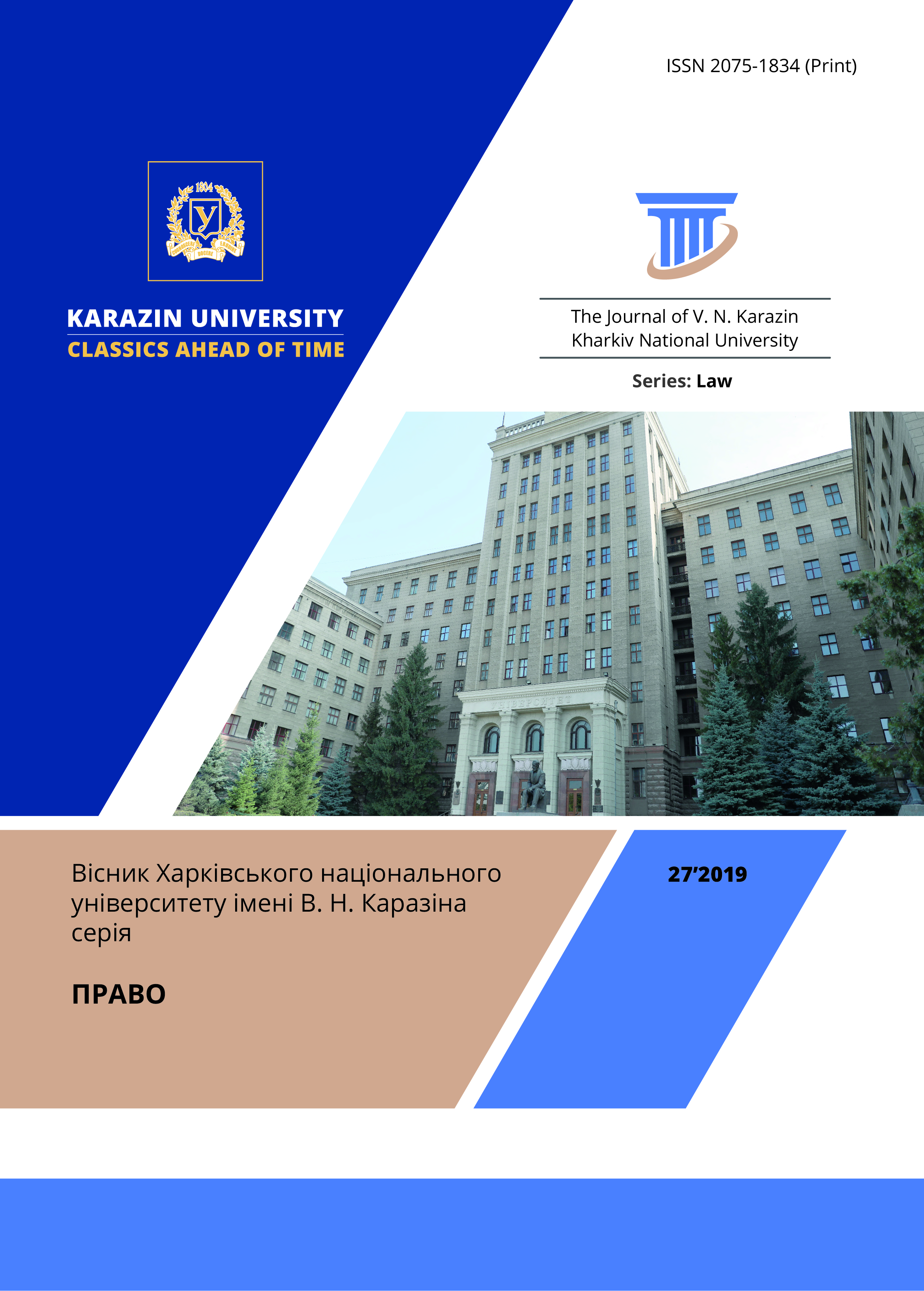
Вісник Харківського національного університету імені В. Н. Каразіна. Серія «Право»
Фахове видання з юридичних наук.
Висвітлюється широке коло актуальних політико-правових проблем, серед яких: проблеми становлення і розвитку громадянського суспільства і правової держави в Україні; проблеми забезпечення прав людини; проблеми боротьби зі злочинністю і захисту громадського порядку; проблеми удосконалення національного законодавства та правозастосовчої практики.
Вісник є фаховим виданням у галузі юридичних наук, Наказом Міністерства освіти і науки Українивід 17.03.2020 р. № 409 (додаток 1) включено до категорії «Б» Переліку наукових фахових видань України з юридичних наук за спеціальностями: 081 «Право», 262 «Правоохоронна діяльність» і 293 «Міжнародне право».
Для юристів, політиків, науковців і практичних працівників, студентів і аспірантів, а також усіх, хто цікавиться питаннями правової теорії та юридичної практики.
-

Вісник Харківського національного університету імені В. Н. Каразіна. Серія «Психологія»
Фахове видання в галузі психологічних наук.
МЕТА: Метою видання є популяризація та висвітлення сучасних психологічних досліджень, можливостей і шляхів їх втілення в практику. В рецензованому журналі друкуються статті, написані на базі проведених авторами емпіричних і теоретичних досліджень. Розглядаються проблеми особистості, когнітивної сфери, питання екологічної, педагогічної, політичної, соціальної, медичної психології, особливості поведінки, що не відповідає нормі. Журнал видається з метою якісної комунікації вчених, розвитку вітчизняного наукового потенціалу та інтеграції його у світовий науковий простір.
Ідентифікатор медіа у Реєстрі галузевих медіасуб'єктів: R30-04465 (Рішення Національної ради з питань телебачення і радіомовлення України від 9 травня 2024 року № 1538, протокол № 15)
-
Вісник Харківського національного університету імені В. Н. Каразіна. Серія «Радіофізика та електроніка»
Фахове видання з фізико-математичних наук.
У збірнику представлені результати теоретичних та експериментальних досліджень, спрямованих на розв'язання актуальних завдань сучасної радіофізики.
До них відносяться: розповсюдження радіохвиль в навколоземному просторі, його діагностика з використанням радіофізичних методів, розповсюдження і дифракція електромагнітних хвиль в електродинамічних структурах, взаємодія лазерного випромінювання з речовинними та біологічними об'єктами, фізичні принципи у напівпровідникових приладах тощо.
Для наукових працівників, аспірантів, студентів старших курсів радіофізичних спеціальностей.
-
Вісник Харківського національного університету імені В. Н. Каразіна. Серія «Соціологічні дослідження сучасного суспільства: методологія, теорія, методи»
Вісник Харківського національного університету імені В. Н. Каразіна серія "Соціологічні дослідження сучасного суспільства: методологія, теорія, методи" заснований у 1983 році.
Засновником видання є Харківський національний університет імені В. Н. Каразіна.
Фахове видання з соціологічних наук.
Періодичність виходу - двічі на рік.
У даному виданні представлені результати теоретичних та емпіричних досліджень сучасного суспільства відомих українських та зарубіжних учених, а також молодих науковців. Акцентовано увагу на актуальних проблемах та перспективах розвитку пострадянської соціології в умовах соціальних невизначеностей.
Вісник Харківського національного університету імені В. Н. Каразіна серія «Соціологічні дослідження сучасного суспільства: методологія, теорія, методи» включено до переліку наукових фахових видань України (спеціальність - 054) з присвоєнням категорії «Б» (згідно Наказу МОН №409 від 17.03.2020).
Ідентифікатор медіа у Реєстрі суб’єктів у сфері медіа: R30-04469 (Рішення № 1538 від 09.05.2024 р Національної ради України з питань телебачення і радіомовлення. Протокол № 15).
-
Вісник Харківського національного університету імені В. Н. Каразіна. Серія «Соціальні комунікації»
Фахове видання з соціальних комунікацій.
У віснику розглядаються актуальні проблеми соціальних комунікацій на широкому матеріалі українського та зарубіжного інформаційних просторів.
Для науковців, студентів і всіх, хто цікавиться проблемами соціально-комунікаційних процесів.
-
Вісник Харківського національного університету імені В. Н. Каразіна. Серія «Теорія культури і філософія науки»
Збірник наукових праць присвячений актуальним проблемам сучасної філософії та методології культури, етики, естетики, філософським питанням української та зарубіжної культури. У збірнику представлено статті науковців Харківського національного університету імені В.Н. Каразіна, а також праці й переклади вітчизняних та іноземних науковців.
Вісник є фаховим виданням України категорії «Б» у галузі філософських наук зі спеціальності 033 (наказ МОН України № 627 від 14.05.2020).
-
Вісник Харківського національного університету імені В. Н. Каразіна. Серія «Фізика»
Фахове видання з фізико-математичних наук.
У віснику друкуються статті та стислі за змістом повідомлення, в яких наведені оригінальні результати теоретичних та експериментальних досліджень, а також аналітичні огляди літературних джерел з різноманітних актуальних проблем фізики за тематикою видання.
Тадиційним є розділи: теоретична фізика, фізика твердого тіла, фізика низьких температур, фізика магнітніх явіщ, оптика та спектроскопія, загальні питання фізики (математичні методи, методика викладання: фізічного експеримент та інші).
Вісник буде корисним викладачам фізіки, науковим співробітникам, аспірантам, студентам.
-
Викладання мов у вищих навчальних закладах освіти на сучасному етапі. Міжпредметні зв’язки
Фахове видання з педагогічних наук.
Розглядаються теоретичні та методичні питання викладання мов у вищих навчальних закладах, принципи створення підручників і навчальних посібників, викладання аспектів мови та місце культурології у процесі навчання іноземних мов, міжпредметні зв’язки.
Для науково-методичних працівників, методистів, викладачів, мaгіcтрантів та докторантів.
-

Вісник Харківського національного університету імені В. Н. Каразіна. Серія «Філологія»
Фахове видання в галузі філологічних наук (спеціальність В11 Філологія), Категорія «Б» (Наказ Міністерства освіти та науки України № 928 від 11.06.2026 р.)
Вісник містить оригінальні статті, присвячені актуальним проблемам сучасного мовознавства та літературознавства.
Призначений для науковців, аспірантів, докторантів, студентів філологічного напрямку та всіх, хто цікавиться проблемами філології.
-
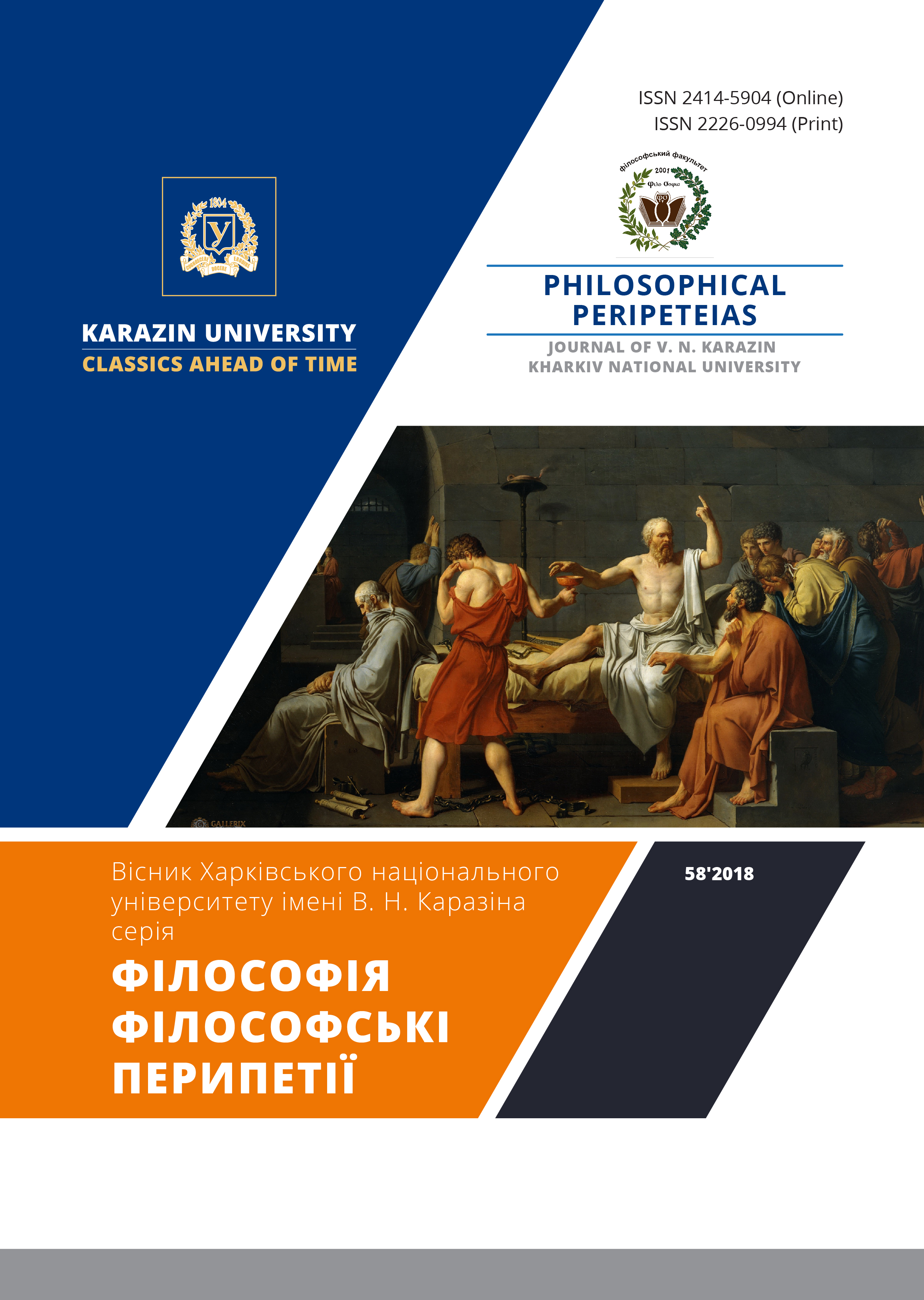
Вісник Харківського національного університету імені В. Н. Каразіна. Серія «Філософія. Філософські перипетії»
УДК 1
Фахове видання з філософських наук, засноване 1965 року Харківським національним університетом імені В. Н. Каразіна.
У збірнику друкуються статті, присвячені широкому колу філософських проблем, зокрема з історії філософії, соціальної філософії, філософської антропології, філософії права, онтології, логіки, етики, герменевтики, релігієзнавства, філософії освіти, філософсько-культурологічних досліджень тощо.
Вісник є фаховим виданням України категорії «Б» у галузі філософських наук зі спеціальності 033 (наказ МОН України № 409 від 17.03.2020).
Ідентифікатор медіа у Реєстрі суб’єктів у сфері медіа: R30-04476 (Рішення № 1538 від 09.05.2024 р. Національної ради України з питань телебачення і радіомовлення. Протокол № 15)
-
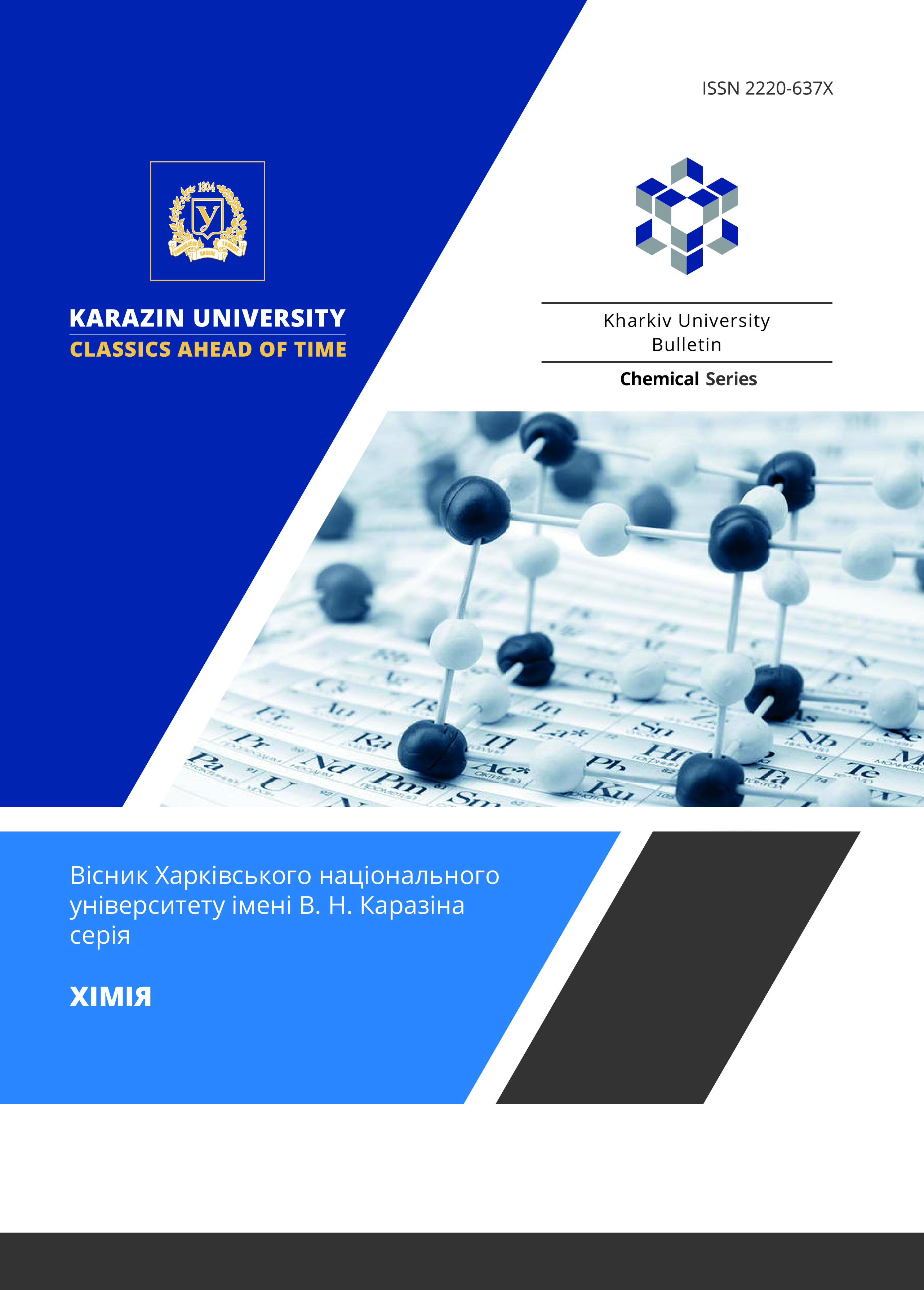
Вісник Харківського національного університету імені В. Н. Каразіна. Серія «Хімія»
УДК 54
Фахове видання з хімічних наук, категорія "Б"
Кластер: Хімія, хімічні технології та фармація. Спеціальність Е3 Хімія
Засновник: Харківський національний університет імені В. Н. Каразіна. Рік заснування: 1935
Діамантовий відкритий доступ
Публікує статті, присвячені різним аспектам теоретичної хімії, хімічного аналізу, органічної хімії, спектроскопії, фізико-хімії розчинів та поверхневих явищ, електрохімії, хімічного матеріалознавства. Вісник включено до Переліку наукових фахових видань України, в яких можуть публікуватися основні результати дисертаційних робіт на здобуття наукових ступенів доктора та кандидата хімічних наук. (Наказ Міністерства освіти і науки України No 928 від 11.06.2026 року)
Ідентифікатор медіа у Реєстрі суб’єктів у сфері медіа: R30-04479 (Рішення № 1538 від 09.05.2024 р. Національної ради України з питань телебачення і радіомовлення. Протокол № 15)
Періодичність 2 випуски на рік
